
Related reading: Parashat Tzav: Summary, Dvar Torah and Quiz and Parashat Kedoshim: Summary, Dvar Torah and Quiz.
Parashat Pekudei closes the Book of Exodus and the story of building the Mishkan. After the donations, instructions, and careful craftsmanship, the Torah turns to accounting, inspection, and completion. Moses receives an account of the materials, sees that the Mishkan vessels and priestly garments were made as God commanded, blesses the people, and sets up the Mishkan on the first day of the first month. At the end of the parashah, the cloud covers the Tent of Meeting and the glory of God fills the Mishkan.
This page includes a clear summary of Parashat Pekudei, key people and places, a central idea, a Shabbat-table Dvar Torah, questions for children and adults, a Pekudei quiz, haftarah notes, and source/licensing guidance.
Pekudei in Brief
Parashat Pekudei is found in Exodus 38:21-40:38. It is the final parashah in the Book of Exodus, completing the journey from the Exodus from Egypt, through Sinai and the Golden Calf, to the dwelling of God’s presence in the Israelite camp.
The parashah opens with an accounting of the Mishkan: the gold, silver, and copper donated for the sacred work. The Torah makes clear that communal holiness needs transparency. Contributions do not disappear into a large project; they are counted, recorded, and used responsibly.
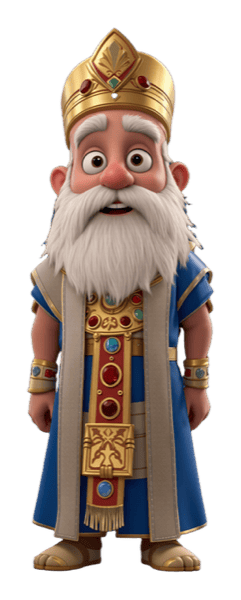
The parashah then describes the making of the priestly garments: the ephod, breastplate, robe, tunic, turban, sash, and golden frontlet. Afterward, all the Mishkan’s parts and vessels are brought to Moses. He sees that the work has been done as commanded, and he blesses the Israelites.
The final section describes the Mishkan being set up. Moses places the frames, spreads the coverings, puts the ark in position, arranges the table and menorah, sets up the altars and courtyard, and consecrates Aaron and his sons. When the work is complete, the cloud covers the Tent of Meeting and God’s glory fills the Mishkan.
What Happens in Parashat Pekudei?
The Mishkan Accounts
The parashah begins with a report on the materials used for the Mishkan. Gold, silver, and copper are not only valuable materials; they represent public trust. The Torah teaches that even holy projects need order, responsibility, and transparency.
The Priestly Garments
The priestly garments are made according to the instructions given earlier in Parashat Tetzaveh. The breastplate, ephod, robe, and frontlet are not mere decoration. They express role, service, dignity, and the memory of the tribes of Israel before God.
Bringing the Vessels to Moses
When the work is finished, the people bring the Mishkan and all its vessels to Moses. This is a moment of inspection and joy: doing a lot is not enough; the work must remain faithful to its purpose and command.
Setting Up the Mishkan
On the first day of the first month, in the second year after the Exodus, the Mishkan is set up. Moses places each vessel, anoints and sanctifies the Mishkan and the priests, and the camp receives a new spiritual center.
The Cloud and God’s Glory
The ending of the parashah is especially powerful: the cloud covers the Tent of Meeting and the glory of God fills the Mishkan. From this point on, Israel’s journeys in the wilderness follow the cloud: when it rises, they travel; when it rests, they camp.
Key People in Pekudei
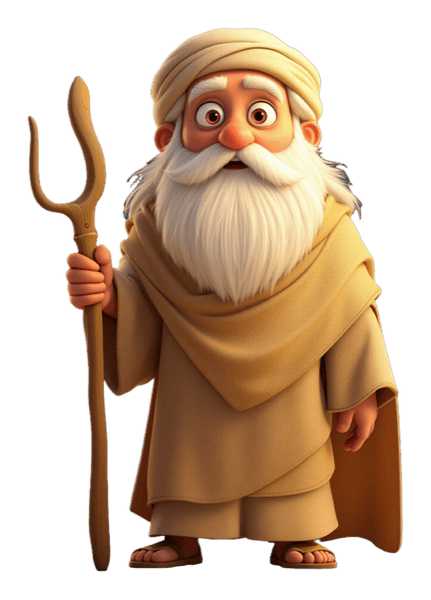
- Moses: receives the Mishkan parts, inspects the work, blesses the people, and sets up the Mishkan.
- Ithamar son of Aaron: connected with the Levites’ oversight in the Mishkan accounting.
- Bezalel son of Uri: the chief artisan of the Mishkan.
- Oholiab son of Ahisamach: a central partner in the sacred craftsmanship.
- Aaron and his sons: the priests consecrated for service.
- The Israelites: the donors, builders, and community around whom the Mishkan is established.
Places and Vessels
- The Mishkan: the portable sanctuary in the wilderness.
- The Tent of Meeting: the place of encounter and revelation.
- The ark and curtain: the inner heart of the Mishkan.
- The table, menorah, and incense altar: inner vessels representing bread, light, and fragrant service.
- The altar of burnt offering and the laver: courtyard vessels connected with offerings and priestly washing.
- The courtyard: the defined space around the Mishkan, marking the approach to holiness.
Central Idea: Holiness Needs Both Heart and Accounting
Parashat Pekudei teaches that holiness is not measured only by emotion or good intentions. It also needs precision, responsibility, order, and review. The donations come from generous hearts, but the Torah does not stop at “everyone gave beautifully.” It counts, reports, and shows how the materials were used.
This is a strong lesson for both children and adults. When we build something meaningful, especially something that belongs to a community, inspiration and trustworthiness must go together. A generous heart without responsibility can scatter; responsibility without heart can become dry. Pekudei brings both together.
Dvar Torah for Pekudei: Blessing Comes After Inspection
One of the most beautiful moments in the parashah comes after the Mishkan and its vessels are brought to Moses. He sees that the work was done as God commanded, and then he blesses the Israelites. The blessing does not come before the work, and it does not replace the work. It comes after effort, partnership, and inspection.
We might have assumed that a holy project like the Mishkan does not need review. After all, the people gave willingly, the artisans were wise-hearted, and the goal was sacred. But the Torah teaches the opposite: precisely because the goal is holy, the work must be checked. Precisely because the materials came from the public, there must be accountability. Precisely because the heart is involved, the details matter.
That gives us a Shabbat-table message: sometimes we want to arrive quickly at the “cloud” moment, the feeling that everything is filled with meaning. Pekudei reminds us that true inspiration is also built from smaller acts: finishing a task, checking the details, honoring trust, thanking those who worked, and blessing a job done faithfully.
For children, it can be said simply: when we build something important, it is not enough to say, “I made it.” We check it, arrange it, fix what needs fixing, and then celebrate together. Moses’ blessing teaches that children and adults grow not only through ideas, but through the responsibility they take.
Pekudei for Children
Parashat Pekudei is a wonderful parashah for teaching responsibility. The people built a kind of “traveling home” for serving God in the wilderness. Everyone brought something, the artisans prepared the vessels, and Moses checked that everything was in place.
Printable activity:
- Draw the Mishkan as a small camp: courtyard, tent, ark, menorah, and table.
- Write one word next to each vessel: light, bread, prayer, responsibility, holiness.
- Choose one “donation” that is not money to bring this week to your home or class: help, order, a kind word, or time.
- End with a question: what helps a group become not only many people, but a community?
Haftarah for Pekudei
In a common custom, the haftarah for Parashat Pekudei is from I Kings 7:51-8:21. It describes the dedication of the First Temple in the days of King Solomon, the bringing in of the sacred vessels, and the placement of the Ark of the Covenant. Like Pekudei, it describes the completion of holy work and a moment when God’s glory fills the sacred space.
The connection between parashah and haftarah is clear: the wilderness Mishkan and the Temple in Jerusalem are two different expressions of one deep idea: building a public place where Jewish life turns toward holiness, responsibility, and the presence of God.
When Pekudei is read together with Vayakhel, or on a special Shabbat such as one of the Four Parashiyot, the haftarah may change according to the calendar and community custom. Before publishing a full haftarah text, audio, or printable reading sheet, the exact haftarah for that year and community should be checked.
Shabbat Table Questions
- Why does the Torah give an account of the Mishkan donations?
- What is the difference between making a beautiful object and making an object of holiness?
- Why does Moses inspect the work before blessing the people?
- What can we learn from the cloud that guides Israel’s journeys?
- How can a home or classroom combine generosity with responsibility?
- Which Mishkan vessel interests you most, and why?
Parashat Pekudei Quiz
- In which book of the Torah is Parashat Pekudei found?
- What does “Pekudei” mean in the context of the Mishkan?
- Who inspects the Mishkan after the work is complete?
- Which major materials are counted at the beginning of the parashah?
- Who are the main artisans connected to the Mishkan’s construction?
- On what date is the Mishkan set up?
- What fills the Mishkan at the end of the parashah?
- How is the haftarah connected to the Temple?
CTA: Go to the Parashat Pekudei quiz and test how well you know the Mishkan accounts, priestly garments, the setting up of the Mishkan, the cloud, and the haftarah about the dedication of the Temple.
FAQ
What is the main topic of Parashat Pekudei?
Parashat Pekudei focuses on the completion of the Mishkan: the accounting of donations, the priestly garments, inspection of the vessels, setting up the Mishkan, and God’s glory filling the Tent of Meeting.
Why is the parashah called Pekudei?
The word “Pekudei” is connected with counting, accounting, and reporting. The parashah opens with the account of the Mishkan materials and how they were used for the sacred work.
What is the educational message of Pekudei?
Its central message is that responsibility and transparency are part of holy work. Even when intentions are good, the work needs accuracy, review, and respect for communal trust.
Who are the central figures in Pekudei?
The central figures are Moses, Ithamar son of Aaron, Bezalel, Oholiab, Aaron and his sons, and the Israelites who donated and participated in building the Mishkan.
What is the haftarah for Pekudei?
In a common custom, the haftarah is I Kings 7:51-8:21, describing the dedication of the First Temple and the Ark being brought in. On special Shabbatot or when Vayakhel-Pekudei is combined, the reading may differ by community custom.
Is there a Pekudei quiz for children?
Yes. A good Pekudei quiz can cover the meaning of the word Pekudei, the Mishkan materials, priestly garments, Moses, Bezalel, the setting up of the Mishkan, and the guiding cloud.
Image and Asset Ideas
- A clean navy-and-gold illustration of the Mishkan in the wilderness, with a cloud above the Tent of Meeting.
- A Shabbat table with a “Parashat Pekudei” quiz sheet and pencils for children.
- A gentle infographic: “heart, accounting, work, blessing” around the completion of the Mishkan.
- A family-friendly illustration of children arranging a small model of the Mishkan.
Implementation Notes
Recommended schema: Article, BreadcrumbList FAQ Page, and HowTo for the printable activity. Suggested quick navigation: summary, Mishkan accounting, people, places, central idea, Dvar Torah, haftarah, quiz FAQ and print. For the quiz, offer a children’s mode and an adult mode, with links to Vayakhel, Vayikra, and the Shabbat-table parashah page.