
Related reading: Parashat Pekudei: Summary, Dvar Torah, and Quiz and Parashat Tzav: Summary, Dvar Torah and Quiz.
Parashat Pinchas continues the dramatic story from the end of Parashat Balak, but quickly opens a wider view toward Israel’s future: a covenant of peace, a new census, the division of the land, the voice of the daughters of Zelophehad, Joshua’s appointment as the next leader, and the order of the daily, Shabbat, new moon, and festival offerings. This page is designed for Shabbat-table learning, classroom use, bar mitzvah preparation, or a weekly Torah quiz.
The portion is named for Pinchas son of Eleazar son of Aaron the priest. It asks a delicate question: how does a people move forward after crisis without losing responsibility, justice, and hope?
The Portion at a Glance
- Book: Numbers
- Chapters: Numbers 25:10-30:1
- Central theme: moving from crisis into renewed order before entering the Land
- Haftarah: usually I Kings 18:46-19:21, about Elijah after Mount Carmel and on the road to Horeb. When Pinchas is read during the Three Weeks, many communities read one of the special haftarot of rebuke according to their custom.
- Quiz connection: a Parashat Pinchas quiz on characters, the census, the daughters of Zelophehad, Joshua, and the festival offerings
Summary of Parashat Pinchas
The portion begins with the reward given to Pinchas after he stops the plague at the end of Parashat Balak. God grants him a covenant of peace and a covenant of eternal priesthood. Alongside this recognition, the Torah names Zimri son of Salu and Cozbi daughter of Zur, showing that the event was not merely private but deeply public.
A new census of the Israelites is then taken in the plains of Moab. This is the census of the generation that will enter the Land after the long years in the wilderness. The tribes are counted by families, and the census becomes the basis for the division of land in Israel. The portion also lists the Levite families and makes clear that the generation that left Egypt is no longer the generation entering the Land, except for Joshua and Caleb.
At the center of the portion stands the story of the daughters of Zelophehad: Mahlah, Noah, Hoglah, Milcah, and Tirzah. Their father died in the wilderness and had no sons, so they ask that his name not disappear from his family. Moses brings their claim before God, and their request is accepted. Their case becomes the basis for key inheritance laws. It is one of the Torah’s striking moments in which a courageous human question opens a path toward justice.
Moses is then commanded to ascend Mount Abarim and see the Land he will not enter. Moses does not first ask about himself. He asks for the people: that the congregation not be “like sheep without a shepherd.” God instructs him to appoint Joshua son of Nun, a man of spirit, as the next leader. Moses places his hands upon Joshua before Eleazar the priest and before the whole community.
The end of the portion turns to the offerings of the daily service, Shabbat, Rosh Chodesh, and the festivals: Passover, Shavuot, Rosh Hashanah, Yom Kippur, Sukkot, and Shemini Atzeret. After stories of crisis, census, inheritance, and leadership, the Torah brings us back to the steady rhythm of sacred life: day by day, week by week, month by month, and festival by festival.
Main Characters
Pinchas
Pinchas son of Eleazar son of Aaron receives a covenant of peace and priesthood. His story should be taught carefully: the Torah recognizes his action in an exceptional moment, but frames the outcome as a covenant of peace, directing force toward repair, responsibility, and holiness.
Moses
Moses appears here as a leader who thinks beyond himself. He receives the decree that he will not enter the Land, yet his first concern is that Israel not be left without leadership.
Joshua Son of Nun
Joshua is chosen to lead the people into the Land. The phrase “a man in whom there is spirit” points to leadership with strength, attentiveness, spirit, and trust.
The Daughters of Zelophehad
Mahlah, Noah, Hoglah, Milcah, and Tirzah stand before Moses, Eleazar, the leaders, and the congregation to ask for justice. They speak with clarity and respect, and the Torah gives their claim lasting weight.
Eleazar the Priest
Eleazar appears as a spiritual leader alongside Moses and as the priest before whom Joshua will stand. The leadership transition is not only political or military; it is spiritual and communal.
Places in Parashat Pinchas
- The plains of Moab: where the new census is taken and the people prepare to enter the Land.
- The entrance of the Tent of Meeting: where the daughters of Zelophehad present their claim.
- Mount Abarim: where Moses sees the Land.
- The Land of Israel: the destination toward which the census, inheritance laws, and leadership transition all point.
The places create a clear movement: from the wilderness camp toward the Land, from the generation that left Egypt to the generation entering Israel, and from Moses’ leadership to Joshua’s.
Central Idea: How Do We Continue After Crisis?
Parashat Pinchas is a portion of continuation. It does not erase the crisis of Baal Peor, but it does not remain trapped inside it. After the plague comes a census. After the census comes the division of the Land. After a question about inheritance comes a new law. After the news that Moses will not enter the Land comes the appointment of Joshua. After all this comes the steady order of the offerings.
The lesson is powerful: real repair is not only stopping a fall. Repair means building a new order that restores names, places, leadership, and a rhythm of holiness.
Short Dvar Torah for Parashat Pinchas
One of the most moving moments in the portion comes after Moses is told to ascend and see the Land. We might expect him to speak first about himself: the dream he will not fulfill, the long journey, the pain. Instead, he asks for a leader for the people.
Moses is saying, in effect: even if I do not enter, the people must keep walking. True leadership is measured not only by what a person does while standing at the front, but also by how they care for what will continue after them.
That is why Joshua’s appointment appears in the same portion as the daughters of Zelophehad. Both stories are about the future. The daughters ask that their family’s name not disappear from the Land, and Moses asks that the congregation not be left without a shepherd. In both cases, the Torah hears a voice of responsibility. Parashat Pinchas asks us: what are we doing so that the good we received does not stop with us, but moves onward?
The Haftarah of Parashat Pinchas
The regular haftarah for Parashat Pinchas is I Kings 18:46-19:21. It tells of Elijah after Mount Carmel, his flight from Jezebel, the still small voice, and the appointment of Elisha to continue his mission.
The connection is deep: both Pinchas and Elijah are associated with zeal for God, yet the haftarah teaches the reader to listen not only to fire and noise, but also to the still small voice. It reminds us that spiritual leadership needs courage, but also listening and continuity.
When Parashat Pinchas is read during the Three Weeks, many communities read a different haftarah from the cycle of rebuke. A public page should therefore note: check the haftarah according to the year, community custom, and local reading calendar.
Questions for Children
- What did Pinchas receive at the beginning of the portion?
- Why is a new census taken?
- Who were the daughters of Zelophehad and what did they ask for?
- Whom did Moses appoint as the next leader?
- Why is good leadership important before entering the Land?
Questions for Adults and Family Learning
- What does a “covenant of peace” mean in a story that includes zeal and tension?
- How does the census express the transition from the wilderness generation to the Land generation?
- What can we learn from the daughters of Zelophehad about respectful speech that creates change?
- Why does Moses ask for a leader for the people at the very moment he learns he will not enter the Land?
- How do the festival offerings at the end of the portion connect to preparing for life in the Land?
Parashat Pinchas Quiz
Questions
- Who was Pinchas’s father?
- What covenant was given to Pinchas?
- Where was the new census of Israel taken?
- What were the names of the five daughters of Zelophehad?
- What did the daughters of Zelophehad request?
- Whom did Moses appoint as the next leader?
- What phrase is used to describe Joshua?
- Which regular offerings are listed at the end of the portion?
- What is the regular haftarah for Parashat Pinchas?
- Name one central idea of the portion.
Answers
- Eleazar the priest.
- A covenant of peace and eternal priesthood.
- In the plains of Moab.
- Mahlah, Noah, Hoglah, Milcah, and Tirzah.
- To receive an inheritance so their father’s name would not disappear from his family.
- Joshua son of Nun.
- “A man in whom there is spirit.”
- The daily offering, Shabbat, Rosh Chodesh, and festival offerings.
- I Kings 18:46-19:21, depending on custom and year.
- Moving from crisis into responsibility, leadership, and preparation to enter the Land.
Printable or PDF Activity
Create a worksheet called “Responsibility That Continues.” Divide it into three parts:
- “Name and Place” - children write what the daughters of Zelophehad asked for and why it mattered.
- “Leadership” - children list three qualities of Joshua as a leader.
- “Rhythm of Holiness” - children mark daily life, Shabbat, Rosh Chodesh, and festivals on a small calendar.
End with a family prompt: each person names one good thing received from an earlier generation and one good thing they want to pass onward.
FAQ About Parashat Pinchas
Where is Parashat Pinchas found in the Torah?
Parashat Pinchas is in the Book of Numbers, from 25:10 through 30:1.
What is the main theme of Parashat Pinchas?
The main theme is moving forward after crisis: Pinchas’s covenant of peace, the new census, the division of the Land, the daughters of Zelophehad, Joshua’s appointment, and the regular order of offerings.
Who were the daughters of Zelophehad?
They were Mahlah, Noah, Hoglah, Milcah, and Tirzah. They asked for an inheritance in the Land because their father had no sons, and their request was accepted.
Why is Joshua’s appointment important?
Joshua’s appointment ensures that Israel will have leadership as it prepares to enter the Land. Moses cares for the community before focusing on his personal pain.
What is the haftarah of Parashat Pinchas?
The regular haftarah is I Kings 18:46-19:21, about Elijah and Elisha. In some years, when Pinchas is read during the Three Weeks, communities read a different haftarah according to custom.
Is Parashat Pinchas good for a children’s quiz?
Yes. It includes clear characters, major events, names, places, and themes of leadership and justice, making it excellent for a family or classroom quiz.
Parashat Pinchas Quiz CTA
After reading the summary, try a Parashat Pinchas quiz: who received a covenant of peace, what the daughters of Zelophehad requested, who was chosen to lead the people, and what the order of offerings teaches about life in the Land.
Illustration and Design Ideas
- A gentle navy-and-gold biblical illustration of Moses placing his hands on Joshua before the community.
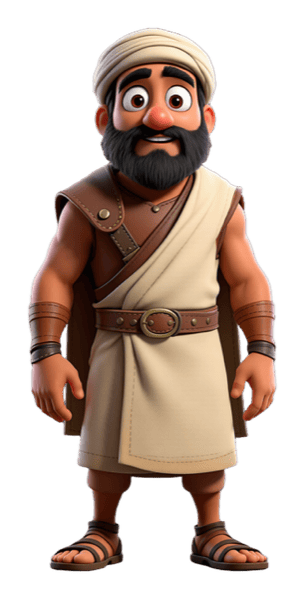
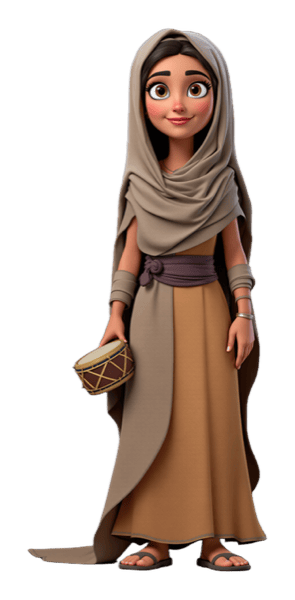
- Character cards: Pinchas, Moses, Joshua, Eleazar, and the daughters of Zelophehad.
- A simple map of the plains of Moab facing the Land of Israel.
- A printable worksheet titled “Name, Place, and Continuity.”
Source and License Notes
This page is original content based on review of the Western Wall weekly Torah portion page as a benchmark for structure and search intent, the Torah range Numbers 25:10-30:1, and supplemental sources on Parashat Pinchas. Do not copy protected wording from source sites. Full biblical quotations, vocalized text, cantillation marks, translations, audio recordings, designed PDFs, and third-party images require license review before publication.
Sources reviewed: Western Wall weekly Torah portion page; Sefaria, Numbers 25:10-30:1 and Parashat Pinchas topic resources; Chabad Pinchas resources; supplemental references for the haftarah and structure of Parashat Pinchas.