

Related reading: Parashat Vayechi: Summary, Dvar Torah, and Quiz and Parashat Vayeilech: Summary, Dvar Torah and Quiz.
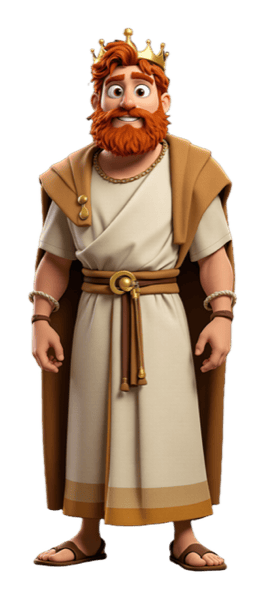
Parashat Vayigash is the emotional turning point of the Joseph story. Judah approaches the Egyptian ruler, not yet knowing that he is speaking to Joseph, and offers himself in place of Benjamin. That act of responsibility leads to Joseph’s revelation, the reunion of the brothers, and Jacob’s descent to Egypt after years of grief and longing.
This page includes a clear summary of Parashat Vayigash, the main figures and places, a central idea, a Shabbat-table Dvar Torah, the haftarah, questions for children and adults, a short quiz, and ideas for family or classroom learning.
Parashat Vayigash In Brief
Parashat Vayigash appears in Genesis 44:18-47:27. It continues the drama from Parashat Miketz: Joseph’s silver goblet has been found in Benjamin’s sack, and Joseph, still hiding his identity, demands that Benjamin remain in Egypt as a slave.
Judah, who had personally guaranteed Benjamin’s safe return to Jacob, steps forward to speak with Joseph. He describes the pain of their elderly father, the special bond between Jacob and Benjamin, and his own pledge to bring Benjamin home. Instead of escaping responsibility, Judah offers to remain as a slave in Benjamin’s place.
That act breaks the barrier. Joseph can no longer hold back. He sends the Egyptians out of the room and reveals himself to his brothers: “I am Joseph.” After their fear and shock, Joseph explains that he sees divine providence within the story: his descent to Egypt has become the means of saving lives during the famine.
Joseph sends his brothers back to bring Jacob and the entire family to Egypt. Jacob struggles to believe the news, but when he sees the wagons Joseph sent, his spirit revives. The family descends to Egypt, Jacob and Joseph meet in tears, and the children of Israel settle in the land of Goshen.
The end of the portion describes Joseph’s leadership during the famine. He manages Egypt’s food supply and reorganizes the economic relationship between the people and Pharaoh, while Jacob’s family takes root in Goshen and begins to grow.
Main Figures
Judah - The brother who steps forward, speaks courageously, and takes responsibility for Benjamin. In this portion, Judah emerges as a leader willing to pay a personal price for his brother and father.
Joseph - The viceroy of Egypt, the brother who was sold and became a ruler. Joseph tests his brothers, but ultimately chooses revelation, reconciliation, and rescue.
Benjamin - The youngest brother, whose fate tests the brothers’ responsibility. He is nearly left in Egypt, but Judah’s loyalty changes the entire story.
Jacob - The father who carries the grief of Joseph’s loss and the fear of losing Benjamin. His descent to Egypt brings relief, but also begins a new chapter in Israel’s history.
Pharaoh - The king of Egypt who allows Joseph to bring his family and offers them good land in Egypt.
Places In Parashat Vayigash
Egypt - The center of power, food, and famine. This is where Joseph governs and where he reveals himself to his brothers.
Canaan - The land from which Jacob and his sons leave because of the famine, after learning that Joseph is alive.
Beersheba - A meaningful stop on Jacob’s journey, where he receives divine reassurance not to fear the descent to Egypt.
Goshen - The region where Jacob’s family settles in Egypt. Goshen becomes a temporary home, a place of life and growth in a foreign land.
Central Idea: Responsibility That Repairs A Broken Story
Parashat Vayigash teaches that real repair begins when a person stops explaining why they are not responsible and begins asking how they can carry responsibility now.
Judah does not erase the past. He does not pretend that everything was fine. But he does something new: instead of abandoning a younger brother, as happened to Joseph in the past, he stands in the danger and offers himself. This is deep change, not just regret in words but responsibility in action.
That is why Joseph can reveal himself. Reconciliation is not born from forgetting; it is born from evidence that the family can choose differently. The brothers still need to face the past, but Parashat Vayigash opens the door: a story of jealousy and separation can become a story of protection, speech, and reunion.
Dvar Torah For Parashat Vayigash
The word “Vayigash” sounds simple: Judah approached Joseph. But that small movement contains an entire world. Sometimes a person can stand very close to someone else and still remain far away: distant through anger, fear, shame, or pride. Judah teaches that the first step toward repair is to truly come close.
He approaches not in order to win an argument, but to save Benjamin and protect Jacob’s heart. His speech is filled with details, but its heart is simple: I am responsible for the boy. My responsibility is not a nice idea; it is a commitment.
At that moment Joseph sees that the story has changed. The brothers who once sold him are no longer standing aside while another brother’s future is at risk. Judah is willing to remain a slave so Benjamin can return home. Only then does Joseph reveal himself: “I am Joseph.”
This is a powerful message for the Shabbat table. There are moments when a family, classroom, or community needs someone to step forward. Not to run away, not to shift responsibility, not to remain a bystander, but to say: I am here, and I am ready to do my part. Sometimes one act of responsibility opens a door that no explanation could open.
Haftarah For Parashat Vayigash
The haftarah for Vayigash is generally Ezekiel 37:15-28. It describes a symbolic act: joining the stick of Judah and the stick of Joseph into one. This connects strongly to the parashah, where Judah and Joseph are reunited after years of separation.
The Torah portion tells a story of family reunion; the haftarah expands the idea into a national vision. Instead of two divided forces, Judah and Joseph, there is a vision of one people, one direction, and renewed covenant. That is why the haftarah emphasizes that reconciliation between brothers is not only a private story. It becomes a model for broader healing within Israel.
Questions For Children
- Why does Judah approach Joseph?
- Whom is Judah trying to save?
- What does Joseph say when he reveals himself to his brothers?
- Where do Jacob and his family go at the end of the portion?
- What is the name of the region in Egypt where the family settles?
Questions For Adults And Family Discussion
- What changed in Judah between the sale of Joseph and his speech in Vayigash?
- Does Joseph forgive his brothers immediately, or does he first test whether they have changed?
- How can we understand Joseph’s view of providence inside such a painful story?
- What is the difference between reconciliation that erases the past and reconciliation that repairs the future?
- Why does the haftarah connect Judah and Joseph through the image of two sticks becoming one?
Parashat Vayigash Quiz
- Who approaches Joseph at the beginning of the portion?
- Which brother is about to remain a slave in Egypt?
- Who says to the brothers, “I am Joseph”?
- Which region in Egypt is given to Jacob’s family?
- What does Joseph ask his brothers to do after revealing himself?
- Who descends to Egypt after hearing that Joseph is alive?
- In which prophetic book is the haftarah for Vayigash found?
Answers: 1. Judah. 2. Benjamin. 3. Joseph. 4. Goshen. 5. Bring Jacob and the family to Egypt. 6. Jacob. 7. Ezekiel.
CTA: Continue to the Parashat Vayigash quiz and test how well you know Judah’s speech, Joseph’s revelation, Jacob’s descent to Egypt, and the link between the parashah and the haftarah.
Short Children’s Activity: “I Am Responsible”
Ask each child to choose one everyday situation in which they can take responsibility for someone else: helping a younger sibling, welcoming a new classmate, returning a lost object, or telling the truth even when it is uncomfortable. Write one sentence on a card: “I can be responsible by...”
End with a short conversation: What is the difference between helping when it is easy and standing beside someone when it takes effort?
FAQ About Parashat Vayigash
What is the main theme of Parashat Vayigash?
The main theme is the movement from separation to reconciliation: Judah takes responsibility for Benjamin, Joseph reveals himself, and the family reunites after years of pain.
Where does Parashat Vayigash begin and end?
Parashat Vayigash begins at Genesis 44:18 and ends at Genesis 47:27.
Why is Judah such a central figure in this portion?
Judah is central because he is willing to remain a slave in Benjamin’s place. This is a moment of leadership, responsibility, and repair in relation to what happened to Joseph in the past.
What is the haftarah for Parashat Vayigash?
The haftarah is generally Ezekiel 37:15-28. It describes the joining of the stick of Judah and the stick of Joseph, which connects directly to the reunion and healing in the parashah.
Why does Joseph say that everything happened in order to save lives?
Joseph looks at the story from a wider perspective. Although his brothers hurt him, he sees that his arrival in Egypt ultimately allowed many families, including Jacob’s family, to survive the famine.
How can Parashat Vayigash be taught to children?
Focus on the family story: Judah protects Benjamin, Joseph reveals himself, Jacob learns that Joseph is alive, and the family reunites. The deeper ideas can be translated into the language of responsibility, forgiveness, and helping siblings.
Source And License Note
The original summary, explanations, questions, and quiz can be published now. Full biblical text, vocalization, cantillation, full translation, official audio, or designed PDFs using third-party source text should receive license and editorial review before publication.