
Bible Quiz Blog
The Psychology Behind Family Bible Learning: Far More Than a Trivia Game
The Psychology Behind Family Bible Learning: Far More Than a Trivia Game
Just recently, in June 2026, we saw how the conversation about education and tradition took a sharp turn. Parents look at their children, absorbed in screens that flicker at the pace of a short video every ten seconds, and feel the cold sweat of cultural anxiety. The concern is not only about attention and focus problems, but about the total loss of Jewish identity and the historical anchor. When a family sits down together to prepare for the Bible Quiz, they are not doing so merely to memorize who King David's father was. They are doing so out of a desperate, and sometimes unconscious, attempt to build a bridge over a cultural chasm that keeps widening. The game, the competition, and the questions are ultimately just tactical tools in a much larger campaign for continuity and connection to heritage.
The need for a question-and-answer format stems from the realization that passive reading no longer works. Children and teenagers - and we adults too - have grown accustomed to consuming information through constant interaction. If the text does not demand action from us, we simply move on. This is exactly where the psychological mechanism of gamification enters the picture, one that manages to connect the screen generation to texts written thousands of years ago.
The Problem: The Disconnect Between an Ancient Text and a Modern Mind
The natural friction begins the moment you open the book. The language is difficult, the historical context requires prior knowledge, and the plot does not always advance at the pace the modern mind expects. When you try to create "family Bible learning" using the traditional method of shared reading, the result is usually boredom on the children's part and frustration on the parents'. The parents push, the children resist, and the text that was supposed to connect the generations becomes a bone of contention.
And here lies precisely the problem with traditional educational systems. They try to impose the old format on a mind that has been rewired over the past decade. Continuous reading demands enormous attentional resources, and when there is no immediate reward, motivation drops to zero within a few minutes. This disconnect creates a deep anxiety in parents: if my child does not know the stories of the patriarchs, what sense of belonging will they have to this place?
The Solution: Gamification as a Cultural Bridge
The response to this disconnect does not come from forcing more reading, but from a complete change in the user experience. Turning the Bible into a collection of challenges, riddles, and trivia questions changes the rules of engagement with the text. When we present easy Bible questions as a first stage in a game, we lower the walls of resistance. The child is not required to read an entire chapter and explain it, but only to find a specific piece of information in order to earn points or advance to the next level.
This approach relies on the brain's reward mechanisms. Every correct answer releases a small dose of dopamine, which produces a sense of competence and a desire to continue. Instead of the Bible being perceived as a heavy chore, it becomes an interactive playground where knowledge equals game power.
Myth vs. Reality: How Young People Really Perceive Challenges
There is a mistaken perception that children hate learning difficult things. Reality is entirely the opposite: children hate learning boring things. When you place a complex challenge before them within the framework of a game, they are capable of displaying phenomenal memorization and analysis abilities.
Take, for example, the enormous structure of the Bible. There are exactly 24 biblical books, divided into 929 chapters. For the average student, these numbers produce aversion. But when you break it down, and, following the 929 project, treat each chapter as an independent unit worth exploring, the picture changes. Moreover, when you begin with only the Five Books of the Torah and frame them as "worlds" within a game, the level of engagement soars. Research on gamification in education, such as that published on Edutopia, shows that incorporating competitive elements can increase voluntary practice time by hundreds of percent.
When the Game-Based Approach Collapses (The Other Side of the Coin)
It sounds excellent on paper, but it is essential to recognize the weak points as well. When does the trivia model fail? When the end justifies the means to such a degree that the text loses its moral and profound meaning. If a child knows how to recite all the names of the kings in the First Book of Kings, but has no idea what the significance of Solomon's judgment or the sin of idolatry was, we have lost the educational battle.
The greatest danger of the Ministry of Education's Bible Quiz and its like is turning the Book of Books into a phone book. Technical memorization of dry data - who said what to whom, in what place, and how many years Jeroboam reigned - may produce shallow knowledge that evaporates the day after the exam. When the game becomes the main thing and the content becomes an excuse, we miss the added value of meaningful family learning. Trivia without context is like empty calories: it satisfies the immediate hunger for victory, but does not build a cultural muscle for the long term.
Deep Dive: Why We Specifically Search for Easy Questions
If you look at the common search terms online, you will discover enormous demand for "easy Bible questions." On the face of it, this looks like intellectual laziness. In practice, it is a clever defense mechanism of parents and teachers. To create an initial experience of success, you must begin from a safe place.
No one starts learning to swim by jumping into deep, stormy waters. Easy questions build the child's self-confidence (and the parent's too, who often fears revealing their own ignorance in front of their children). They make it possible to generate positive momentum around the Shabbat table or on a car ride. The moment the child answers three easy questions correctly, they are open and ready to tackle the fourth, more complex question.
Three Use Cases That Produce Results in the Field
To understand how this works in reality, it is worth looking at a few real scenarios in which this approach proves itself:
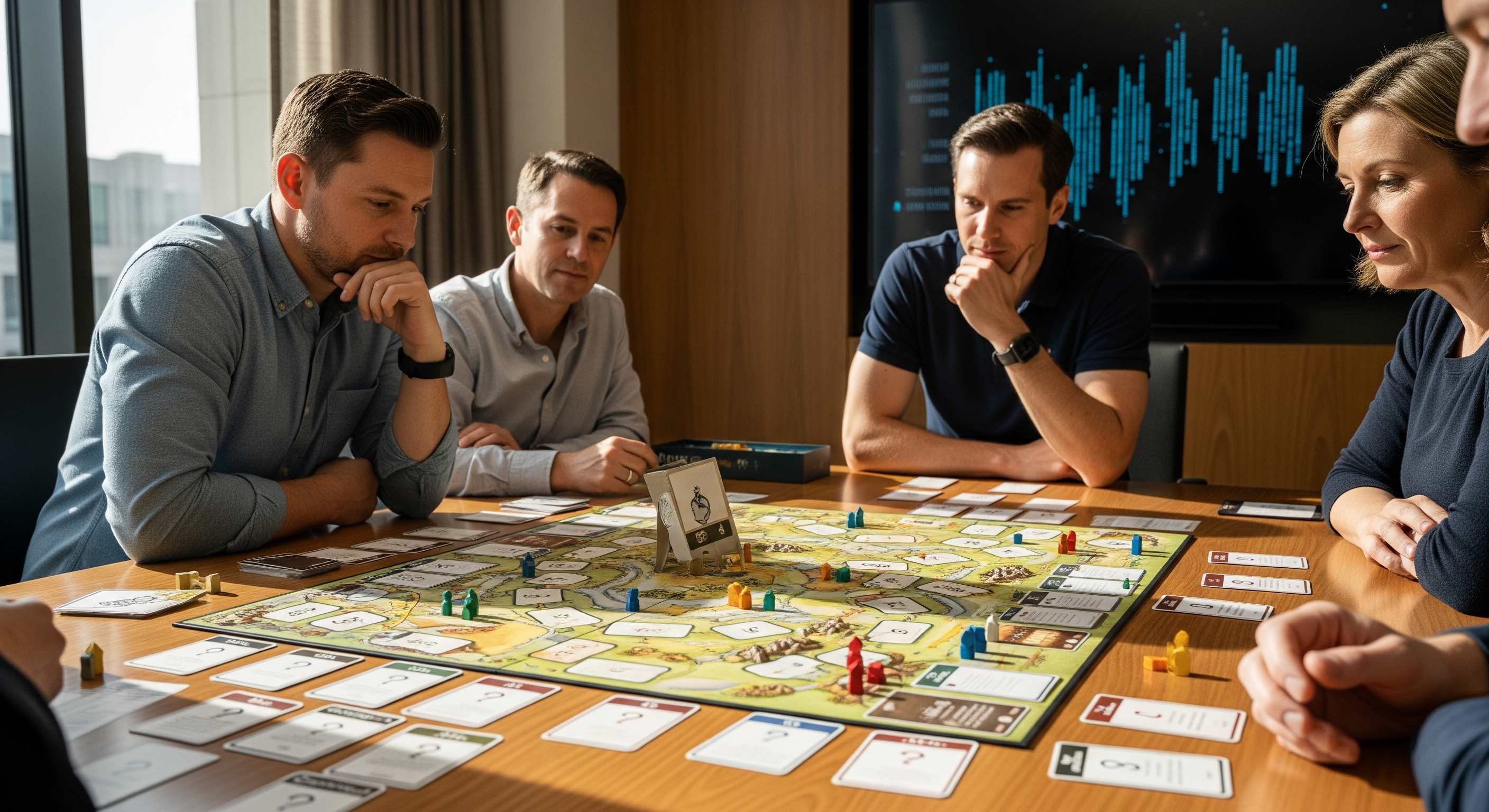
1. A Family Anchor at the Shabbat Table Instead of awkward silences or arguments about politics, the family devotes 15 minutes on the seventh day to a trivia game about the weekly Torah portion. The light competitive format keeps the children alert, and the atmosphere stays positive. This is screen-free quality time (if you use printed cards or prepare in advance) that creates strong childhood memories.
2. Mental and Professional Preparation for Competitions Students aiming high rely on digital platforms to practice enormous amounts of material. It is important to note: although the dedicated apps and websites are not officially connected to the world quiz run by the Ministry of Education, they provide the most intensive practice infrastructure. The system tracks mistakes, adjusts the difficulty level, and turns the grueling preparation into a journey of advancing through stages.
3. A Routine-Breaking Tool for Teachers in the Classroom A teacher who walks into an eighth-grade class after the lunch break knows that a regular reading of the Book of Judges will put the students to sleep. Opening the lesson with a quick quiz on the smart board, where groups compete against one another, raises the pulse in the classroom and spurs the students to actively look for the answers within the text.
The Turning Point: Tradition's Trojan Horse
And here we arrive at the central insight that most people miss. The game is not the goal, and the score is not the main thing. The format of the Bible Quiz, whether it happens in an app or around the table, is a cultural Trojan horse.
The children think they are playing to beat their siblings or to collect virtual coins. But while they are busy with the tactics of the game, they are absorbing the names of the characters, the geography of ancient Israel, and the great human dilemmas. Parents use the game to soothe their deep anxiety about cultural disconnection, and the children get a competitive experience tailored to their frame of reference. This is a double-win situation in which the psychology of the game serves the psychology of identity.
Practical Implications: What to Do Tomorrow Morning
So how do you translate these insights into practical action? The first rule is not to overload. Do not declare a "family Bible study hour," because it sounds like a punishment. Instead, weave the challenge naturally into the routine.
Start with easy trivia questions on the drive to school. Use dedicated apps that allow children to play on their own in their free time. Be sure to also mix in "why" and "what do you think" questions among the "who" and "when" questions, to make sure the knowledge does not remain at the surface level. And most importantly: let them beat you now and then. Nothing generates motivation to learn like the chance to show one's parents they are wrong.
Insights to Carry Forward
- Anxiety is the engine: The desire for family learning stems from parents' deep fear of losing their identity, and the game is the practical solution for soothing that fear.
- A gentle start is critical: Incorporating easy questions does not indicate a low level, but rather a smart strategy for building self-confidence and momentum.
- Beware of hollow knowledge: Gamification is a wonderful tool, but it must be accompanied by meaningful conversation so that the Bible does not become just another collection of random trivia facts.
- Structure wins: Regular use of apps or cards creates a routine that is very hard to establish through printed books alone in the current reality.
If you feel that the younger generation's connection to the ancient texts is weakening, do not try to force the old learning methods on them. Look for the digital and game-based tools that exist today, start from the low difficulty levels, and let healthy competition do the work. Log into online platforms, choose the game style that suits your family, and simply start playing. Tradition will find its way in.
FAQ
Why do parents search for easy Bible questions for children?
Parents search for easy Bible questions as a way to gradually build the self-confidence of both their children and themselves in the face of the complex text. This is a smart psychological strategy meant to create an initial experience of success, similar to learning to swim by starting in shallow water. These small successes produce positive momentum and prepare the ground for tackling more complex challenges later, while strengthening the family bond around a shared topic.
How does gamification help children connect with the Bible?
Gamification turns Bible study into an interactive and fascinating experience, tailored to the frame of reference of the screen generation. By turning the text into challenges, riddles, and questions, we activate the brain's reward mechanisms (such as the release of dopamine) that encourage engagement and continuity. Instead of the Bible being perceived as a heavy chore, it becomes a game in which knowledge equals game power, which boosts the motivation to learn and explore the ancient texts.
What is the danger of turning Bible study into trivia alone?
The central danger in turning Bible study into trivia alone is that the text will lose its moral and profound meaning and become a 'phone book' of dry facts. Technical memorization of data, such as names, places, and dates, without an understanding of the context, the human dilemmas, and the spiritual messages, may produce shallow knowledge that evaporates quickly. When the game becomes the main thing and the content becomes an excuse, we miss the added value of a meaningful connection to our heritage.
How long does it take for a child to get used to game-based Bible learning?
Adapting to game-based Bible learning is usually very quick, since it is based on principles familiar from the world of games. Usually, after just a few short sessions, children show higher interest and motivation. The key is to start with easy, rewarding challenges and to let them experience initial successes. The more comfortable and confident the child feels, the more capable they will be of tackling more complex challenges, and the entire process becomes a positive and ongoing experience.
When might a game-based approach to Bible study fail?
A game-based approach may fail when it focuses solely on memorizing facts or achieving a score, while neglecting the deep understanding and the moral messages of the text. If a child knows how to recite all the names of the kings but does not understand the significance of their deeds or the consequences of their decisions, we have missed the educational goal. Trivia without context becomes 'empty calories' - it provides the immediate satisfaction of victory, but does not build a solid cultural and spiritual foundation for the long term.
Is prior knowledge needed to start learning the Bible with a game-based approach?
No, no significant prior knowledge is needed to start learning the Bible with a game-based approach. In fact, this approach is designed precisely to bridge gaps and provide an accessible entry point. One begins with easy questions that do not require extensive knowledge and that allow children (and parents too) to build confidence and knowledge gradually. The goal is to make the process enjoyable and less intimidating, so that even those who are not well-versed in the fine details can join in and make progress.
How can game-based Bible learning be woven into the family routine?
Weaving game-based Bible learning into the routine can be simple and effective. Instead of declaring a 'study hour,' you can incorporate short challenges naturally: an easy trivia question on the drive to school, a short quiz around the Shabbat table (15 minutes), or the use of dedicated apps that let children play in their free time. It is important to vary between factual questions and questions that encourage thinking and discussion ('Why?', 'What do you think?'), and also to let the children win now and then to strengthen their motivation.
What is the difference between a traditional Bible quiz and a modern game-based approach?
The main difference lies in the psychological approach and the user experience. A traditional Bible quiz tends to be based on memorization and recitation, and is often perceived as a chore or a test. By contrast, a modern game-based approach uses gamification principles - challenges, rewards, light competition - to turn learning into a fascinating and interactive experience. Whereas the traditional approach may produce anxiety, the game-based approach strives to create engagement, enjoyment, and a sense of competence, while preserving the values of tradition.