
Related reading: Parashat Masei: Summary, Dvar Torah and Quiz and Parashat Metzora: Summary, Dvar Torah and Quiz.
Parashat Matot is about the power of words, the danger and order surrounding conflict, and public responsibility before entering the Land. It begins with the laws of vows and oaths, continues with the war against Midian and the division of spoils, and closes with the request of the tribes of Gad and Reuben to settle east of the Jordan on condition that they first fight alongside their brothers.
This page is designed for Shabbat-table learning, classroom use, bar mitzvah preparation, or a weekly Torah quiz. It is especially useful for discussing promises, responsibility, partnership, and the need to stand behind one’s words.
The Portion at a Glance
- Book: Numbers
- Chapters: Numbers 30:2-32:42
- Central theme: responsibility in speech and action
- Haftarah: when Matot is read on its own, many communities read Jeremiah 1:1-2:3, the first of the three haftarot of rebuke during the Three Weeks. When Matot and Masei are read together, many communities read the haftarah associated with Masei, according to local custom.
- Quiz connection: a Parashat Matot quiz on vows, Midian, Eleazar the priest, Gad, Reuben, and the eastern side of the Jordan
Summary of Parashat Matot
The portion opens with Moses speaking to the heads of the tribes. He teaches the laws of vows and oaths: when a person accepts an obligation through speech, it cannot be treated lightly. The Torah emphasizes that a person must not profane their word, meaning that speech should not become empty. The portion also includes complex laws about the annulment of vows within the family, especially regarding a young woman in her father’s house and a married woman in her husband’s house.
God then commands Moses to go to war against Midian because of Midian’s role in leading Israel into sin in the preceding narrative. One thousand warriors are sent from each tribe, and Pinchas son of Eleazar goes with the sacred vessels and trumpets. The war ends with Israel’s victory, and the Torah describes the captives, spoils, and purification process. Eleazar the priest teaches the soldiers how to purify and prepare the metal vessels taken from the war.
A large section of the portion describes the division of the spoils among the warriors, the community, the priests, and the Levites. Even after victory, wealth and power are not treated as private matters alone. There is communal order, an offering to God, and responsibility toward those who serve in sacred roles.
At the end of the portion, the tribes of Gad and Reuben approach Moses. They have large herds and see that the eastern side of the Jordan is suitable for livestock. They ask to receive their inheritance there rather than west of the Jordan. Moses fears that they are trying to avoid the shared burden of entering and conquering the Land, and he reminds them of the sin of the spies. Gad and Reuben answer that they will build pens for their animals and towns for their families, but they themselves will cross over as front-line troops until the mission is complete. Moses accepts this condition and grants territory east of the Jordan to them and to half the tribe of Manasseh.
Main Characters
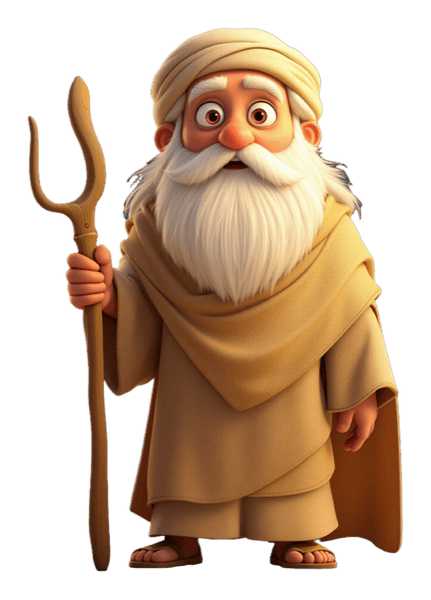
Moses
Moses teaches the laws of vows, leads the response to Midian, and challenges Gad and Reuben with a sharp question of responsibility: can one ask for a private inheritance without carrying the burden of the whole people?
The Heads of the Tribes
The portion begins with the tribal leaders because speech, commitment, and leadership are not private matters only. A person’s word creates reality, especially the word of a leader.
Pinchas Son of Eleazar
Pinchas goes with the soldiers to the war against Midian. His presence links this portion to the previous story, where he stopped the plague, but here he appears within a formal communal framework.
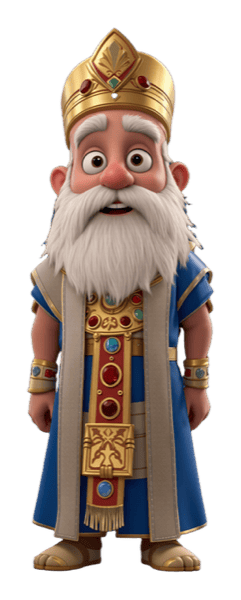
Eleazar the Priest
Eleazar teaches the laws of purifying the vessels taken from the war. His role reminds us that even after a difficult and violent event, spiritual life requires discernment, cleansing, and order.
Gad and Reuben
The two tribes request land east of the Jordan. At first their request sounds like withdrawal from national responsibility, but after Moses confronts them, they commit to lead the way with the other tribes until the Land is conquered.
Places in Parashat Matot
- The plains of Moab: the final staging ground before entering the Land.
- Midian: the people against whom Israel goes to war in the portion.
- The eastern side of the Jordan: the region of Gilead, Jazer, and the lands of Sihon and Og, later given to Gad, Reuben, and half of Manasseh.
- The Land of Canaan: the destination of the whole people, which is why the request to remain east of the Jordan raises deep concern.
The places in the portion portray a people on the edge of transition. Before entering the Land, they must clarify loyalty, speech, and partnership.
Central Idea: A Word That Obligates
Parashat Matot begins with vows and ends with the commitment of Gad and Reuben. This is not accidental. At the beginning, the Torah teaches that a person must do what comes from their mouth. At the end, Moses turns the tribes’ words into a clear condition: if you cross over armed with your brothers, you may receive your land east of the Jordan; if not, you may not.
The portion teaches that a word is not merely a sound. It builds trust or breaks it. When a person promises, they connect speech to action. When a tribe promises, it connects its own interest to the future of the entire people.
Short Dvar Torah for Parashat Matot
Gad and Reuben come to Moses with a very practical request: they have abundant livestock, and the land east of the Jordan is good for livestock. The request itself is not wrong. The Torah does not dismiss economic needs or family life. But Moses hears a deeper danger beneath the request: perhaps they want to enjoy their inheritance without joining the shared effort.
So Moses asks a piercing question: shall your brothers go to war while you remain here? That question returns in every generation in a different form. Can we benefit from a home, a community, a people, and a heritage without carrying part of the responsibility?
The answer of Gad and Reuben repairs the request. They do not erase their own need, but they add responsibility to it: we will build for our families and animals, and then we will go before our brothers until the mission is complete. A private request becomes a public agreement.
That is the heart of the portion. Personal needs do not need to disappear, but they must be placed within a covenant of responsibility. Parashat Matot asks us: where do our words need to become action, and where must our comfort make room for partnership?
The Haftarah of Parashat Matot
When Parashat Matot is read on its own, many communities read the opening of Jeremiah, from Jeremiah 1:1 through 2:3. This is the first of the three haftarot of rebuke read during the Three Weeks before Tisha B’Av.
The connection is not only thematic but emotional: Jeremiah is sent to speak in God’s name, and he is afraid of the mission. In a portion about the power of speech and the obligation to stand behind words, the haftarah presents a prophet who accepts responsibility for difficult, truthful, corrective speech.
When Matot is combined with Masei, many communities read the haftarah for Matot-Masei or Masei, usually from Jeremiah 2 onward, according to local custom. A public page should therefore note: check the haftarah according to the year, calendar, and community custom.
Questions for Children
- What is a vow, and why is it important to keep promises?
- Against whom did Israel go to war in the portion?
- Who taught the soldiers what to do with the vessels from the war?
- What did Gad and Reuben ask Moses for?
- What condition did Moses set for them?
Questions for Adults and Family Learning
- Why does the Torah open this portion with the laws of vows?
- What is the difference between a legitimate personal need and escaping communal responsibility?
- How can the story of the war against Midian be taught sensitively without ignoring the moral difficulty of the text?
- What can we learn from Moses’ response to Gad and Reuben about leadership?
- How can Parashat Matot help us speak with children about promises, trust, and partnership?
Parashat Matot Quiz
Questions
- To whom does Moses speak at the beginning of Parashat Matot?
- What is the first topic of the portion?
- How many warriors were sent from each tribe to fight Midian?
- Who went with the soldiers and the sacred vessels?
- Who taught the laws of purifying the vessels?
- Which two tribes requested land east of the Jordan?
- What was Moses afraid their request would cause?
- What did Gad and Reuben promise to do?
- Which half tribe joined them in receiving land east of the Jordan?
- Name one central idea of the portion.
Answers
- The heads of the Israelite tribes.
- The laws of vows and oaths.
- One thousand warriors from each tribe.
- Pinchas son of Eleazar the priest.
- Eleazar the priest.
- Gad and Reuben.
- That they would weaken the people and avoid joining the conquest of the Land.
- To cross over as front-line troops until the Land was conquered.
- Half the tribe of Manasseh.
- Responsibility in speech and the need to turn promises into action.
Printable or PDF Activity
Create a worksheet called “Word and Action.” Divide it into three areas:
- “Promise” - children write one small promise they can keep this week.
- “Partnership” - children write one thing they can do to help their family, class, or community.
- “Across the Jordan” - children mark the Jordan River, the eastern side of the Jordan, and the Land of Canaan on a simple map.
End with a question: what makes a promise trustworthy? The portion’s short answer is: action.
FAQ About Parashat Matot
Where is Parashat Matot found in the Torah?
Parashat Matot is in the Book of Numbers, from 30:2 through 32:42.
What is the main theme of Parashat Matot?
The main theme is responsibility: responsibility for words in vows and oaths, responsibility after war, and the responsibility of tribes toward all Israel before entering the Land.
Why did Gad and Reuben want to remain east of the Jordan?
They had large herds, and they saw that the eastern side of the Jordan was well suited for livestock. Moses agreed only after they promised to take part in the military effort with the other tribes.
What is the haftarah of Parashat Matot?
When Matot is read on its own, many communities read Jeremiah 1:1-2:3. When Matot and Masei are combined, the haftarah changes according to calendar and community custom.
Is Parashat Matot suitable for children?
Yes, especially through themes such as promises, trust, partnership, and responsibility. The war sections should be taught carefully and age-appropriately.
What connects the beginning and end of the portion?
The beginning discusses keeping vows and words. The end discusses the commitment of Gad and Reuben. In both places, the Torah teaches that a true word must become action.
Parashat Matot Quiz CTA
After reading the summary, try a Parashat Matot quiz: who spoke to the heads of the tribes, what we learn from vows, what Gad and Reuben requested, and what condition turned their request into a commitment of partnership.
Illustration and Design Ideas
- A navy-and-gold biblical illustration of Moses speaking with Gad and Reuben facing the Jordan.
- A map of the eastern side of the Jordan opposite the Land of Canaan.
- Concept cards: vow, oath, responsibility, front-line troops, inheritance.
- A printable worksheet titled “Word and Action.”
Source and License Notes
This page is original content based on review of the Western Wall weekly Torah portion page as a benchmark for structure and search intent, the Torah range Numbers 30:2-32:42, and supplemental sources on Parashat Matot. Do not copy protected wording from source sites. Full biblical quotations, vocalized text, cantillation marks, translations, audio recordings, designed PDFs, and third-party images require license review before publication.
Sources reviewed: Western Wall weekly Torah portion page; Sefaria, Numbers 30:2-32:42; Chabad resources for Matot and Matot-Masei; supplemental references on the haftarah and structure of Parashat Matot.