
Related reading: Parashat Tazria: Summary, Dvar Torah, and Quiz and Parashat Tetzaveh: Summary, Dvar Torah, and Quiz.
Parashat Toldot tells the story of Isaac and Rebecca's home, the birth of Jacob and Esau, the sale of the birthright, the years of famine and Gerar, and the blessings that shape the rest of Genesis. It is a portion about family, choice, responsibility, and speech: what a person wants for themselves, what they pass on to the next generation, and how to recognize a true blessing even when the story is complicated.
Parashat Toldot In Brief
Toldot is the sixth portion in Genesis. It opens with "These are the generations of Isaac son of Abraham" and focuses on the home built after the generation of Abraham and Sarah. Isaac and Rebecca pray for children, twin sons are born, Jacob and Esau grow in very different directions, and the tension between them reaches its peak in the story of the blessings.
At the center of the portion is a deep question: what is spiritual inheritance? Does it pass automatically by age or strength, or does it require responsibility, sensitivity, listening, and choice? Toldot does not show us a perfect family. It makes room for complexity, differences between siblings, parental fear, and decisions that echo into later generations.
Summary Of Parashat Toldot
Isaac and Rebecca Pray, and the Twins Are Born
Isaac and Rebecca wait many years for children. Isaac prays, and Rebecca conceives. During the pregnancy, Rebecca feels an inner struggle and seeks God's guidance. She receives a message about two nations that will come from her and about a deep difference between the two sons.
Esau is born first, ruddy and hairy, followed by Jacob, who holds Esau's heel. From the moment of birth, the Torah signals the tension that will follow them: family closeness on one side, rivalry and different paths on the other.
Jacob and Esau: Two Brothers, Two Paths
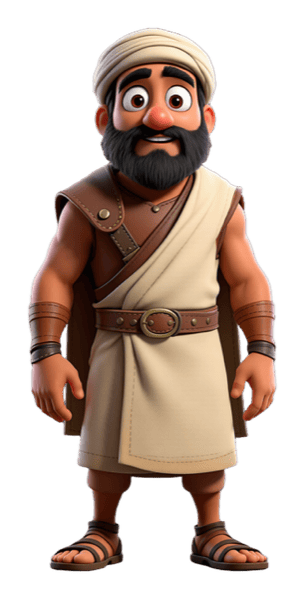
Esau grows into a hunter and a man of the field. Jacob is described as a quiet man who dwells in tents. Isaac loves Esau, among other reasons because of the game he brings, while Rebecca loves Jacob. The Torah shows a home where each parent is closer to a different child, and that difference creates pain and complication.
One day Esau returns exhausted from the field and asks Jacob for some of the stew. Jacob asks for the birthright in exchange. Esau agrees, eats and drinks, and the text emphasizes that he despised the birthright. This short scene raises a large question: does a person recognize the value of what they hold, or sell it away in a moment of hunger?
Isaac In Gerar and the Covenant With Abimelech
A famine comes to the land, and Isaac goes to Gerar. Like Abraham before him, Isaac faces fear in an unfamiliar environment. He says that Rebecca is his sister, until Abimelech discovers the truth and warns the people not to harm them.
Later Isaac plants in the land and becomes very successful. His success awakens jealousy, and the Philistines stop up the wells dug by Abraham's servants. Isaac digs again, moves from place to place, and eventually reaches a space where the conflict stops. He calls that well Rechovot, because a wider place has opened for him.
The Blessings: Jacob, Esau, and Isaac
In his old age, Isaac wants to bless Esau. He sends him to hunt and prepare a meal. Rebecca hears this and tells Jacob to bring food to Isaac and receive the blessing. Jacob fears being discovered, but Rebecca takes responsibility and moves the plan forward.
Jacob comes to Isaac, who senses that something does not fully match: the voice is Jacob's voice, but the hands are Esau's hands. In the end, Isaac blesses Jacob with abundance, strength, and status among nations and brothers. When Esau returns and realizes that the blessing has been given to Jacob, he cries out bitterly and asks for a blessing too.
The story is not simple. It teaches the power of words, the weight of blessings, and the high cost of a family in which crucial things happen behind the scenes instead of through open conversation.
Jacob Is Sent To Haran
Esau hates Jacob and plans to harm him after Isaac's death. Rebecca understands the danger and persuades Isaac to send Jacob to Haran to take a wife from her family. Isaac blesses Jacob again, this time openly, and sends him to the house of Laban. This sets the stage for the journey that continues in Parashat Vayetze.
Key People In The Portion
- Isaac - the son who continues Abraham's path, prays, digs wells, seeks stability, and passes the blessing to the next generation.
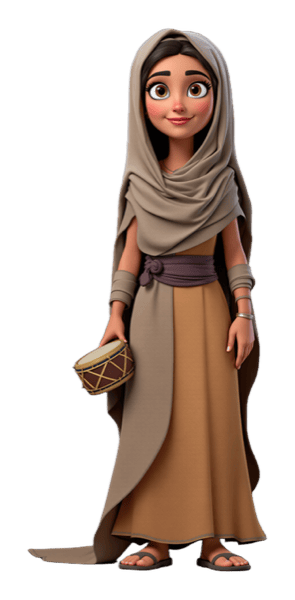
- Rebecca - a wise and active mother who understands the future of the sons and acts from responsibility, even when the action is complex.
- Jacob - the son who receives the birthright and the blessing, and begins a path that will later require him to face truth, fear, and family.
- Esau - a hunter and man of the field, firstborn by birth, who dismisses the birthright in one moment but deeply mourns the lost blessing.
- Abimelech - the king of Gerar, who appears in Isaac's story and recognizes the strength and blessing in Isaac's household.
- Laban - Rebecca's brother, mentioned at the end of the portion as the destination to which Jacob is sent.
Places In Parashat Toldot
- Be'er Lachai Ro'i - the area where Isaac lives at the beginning of this family period.
- Gerar - the place Isaac goes during the famine, where he meets Abimelech and faces fear and jealousy.
- Isaac's wells - wells reopened after being stopped up, symbolizing persistence, rootedness, and peace.
- Rechovot - the well where the conflict ends, a sign of space, relief, and room to grow.
- Be'er Sheva - a place of revelation, blessing, and covenant.
- Haran / Paddan Aram - the destination to which Jacob is sent to build his home.
Central Idea: Blessing Is Responsibility
It is easy to read Toldot as a story about who received the blessing. But more deeply, the portion asks what one does with a blessing. Esau wants the blessing when it is taken from him, but earlier he sells the birthright because of momentary hunger. Jacob receives the blessing, but the way it reaches him will accompany him for years. Isaac wants to bless, but he does not see the whole picture. Rebecca sees far ahead, yet pays the price of separation from the son she loves.
The blessing in this portion is not a simple prize. It is a role. Whoever receives a blessing also receives responsibility: to build a home, walk a path, face fear, repair relationships, and turn the words they received into real life.
Dvar Torah For The Shabbat Table
One of the best-known lines in the portion comes when Isaac senses the complexity: "The voice is Jacob's voice, but the hands are Esau's hands." It sounds like a moment of confusion, but it can also be a powerful educational key.
The voice represents inner identity: speech, prayer, learning, gentleness. The hands represent strength, action, and involvement in the world. Isaac feels a gap between the voice and the hands, and that gap does not belong only to Jacob. Every person must ask: how do we connect what we say with what we do?
Parashat Toldot invites us to examine that gap at home, in the classroom, and in life. Do our words build trust? Are our actions loyal to the values we teach? Do we use strength to take, or to build?
For the Shabbat table, ask: what blessing have I received in life, and what responsibility comes with it? Whoever receives talent, family, time, Torah, or opportunity has not received only a gift. They have received a mission to turn it into good.
Parashat Toldot For Children
Children can experience the portion through three moments:
- Two brothers are born in the same home, but each one is very different.
- Jacob and Esau must learn what truly matters to them.
- A blessing is not only beautiful words; it is responsibility for a good path.
Question for children: If you could bless a friend or family member, what blessing would you give, and why?
Short activity: each child writes a "blessing of responsibility" for themselves. For example: "I have a kind heart, so this week I will try to help someone before they ask."
Family Discussion Questions
- Why do you think Esau agreed to sell the birthright?
- What can we learn from Isaac digging again the wells that others had stopped up?
- Was Rebecca right to act as she did? What other choices might she have had?
- Why can a blessing change so much?
- What is the difference between receiving a gift and receiving a role?
- Where do we meet the gap between "voice" and "hands" in our own lives?
Parashat Toldot Quiz
- Who were the parents of Jacob and Esau?
- What did Esau ask Jacob for when he returned exhausted from the field?
- What did Esau give Jacob in exchange for the stew?
- Where did Isaac go during the famine?
- What did the Philistines do to the wells dug by Abraham's servants?
- What was the name of the well where the quarrel stopped?
- What did Isaac say when he felt Jacob but heard his voice?
- Why was Jacob sent to Haran?
- Which prophet appears in the haftarah of Toldot?
- What is the central idea of this guide?
Answers: 1. Isaac and Rebecca. 2. Some of the stew. 3. The birthright. 4. Gerar. 5. They stopped them up. 6. Rechovot. 7. "The voice is Jacob's voice, but the hands are Esau's hands." 8. To move away from Esau's danger and marry within Rebecca's family. 9. Malachi. 10. Blessing is responsibility.
CTA: Continue to the Parashat Toldot quiz and see how well you know Jacob and Esau, the birthright, Isaac's wells, the blessings, and the larger message of the portion.
Haftarah Of Parashat Toldot
The haftarah of Toldot is read from the book of Malachi, usually from the beginning of the book through chapter 2, verse 7. It opens with God's love for Israel and the relationship between Jacob and Esau, which connects directly to the family and national tension in the portion. The prophet then rebukes the priests and the people for treating divine service without proper honor, reminding the listener that covenant, holiness, and blessing require faithfulness and not only ancestry.
Some communities vary the exact boundaries of the haftarah, so an official reading page should confirm the community custom before publishing full verses, vocalization, or audio.
FAQ
What happens in Parashat Toldot?
The portion tells of Isaac and Rebecca, the birth of Jacob and Esau, the sale of the birthright, Isaac in Gerar, the digging of the wells, the blessings given to Jacob and Esau, and Jacob being sent to Haran.
What is the main theme of Parashat Toldot?
One central theme is the meaning of blessing and birthright: what a person inherits, what they choose, and what responsibility comes with continuing a family and spiritual path.
Who are the main figures in Parashat Toldot?
The main figures are Isaac, Rebecca, Jacob, Esau, Abimelech, and Laban, who is mentioned near the end of the portion.
What can children learn from Toldot?
Children can learn about differences between siblings, short-term choices versus long-term values, the power of words, and the idea that true blessing comes with responsibility and good action.
What is the haftarah for Parashat Toldot?
The haftarah is read from Malachi, usually Malachi 1:1 through 2:7. Different communities may vary the exact ending.
Can this become a printable Toldot sheet?
Yes. A strong printable sheet can include a short summary, key people, a small map of places, Shabbat-table questions, a quiz, and a box titled "The blessing I am taking this week."
Developer Implementation Notes
Recommended schema: Article, BreadcrumbList, and FAQ Page. If an interactive quiz is added, keep the quiz questions and answers in a separate data structure and connect a clear CTA to the Parashat Toldot quiz page. For printable mode, include the summary, people, questions, and quiz without heavy navigation components.